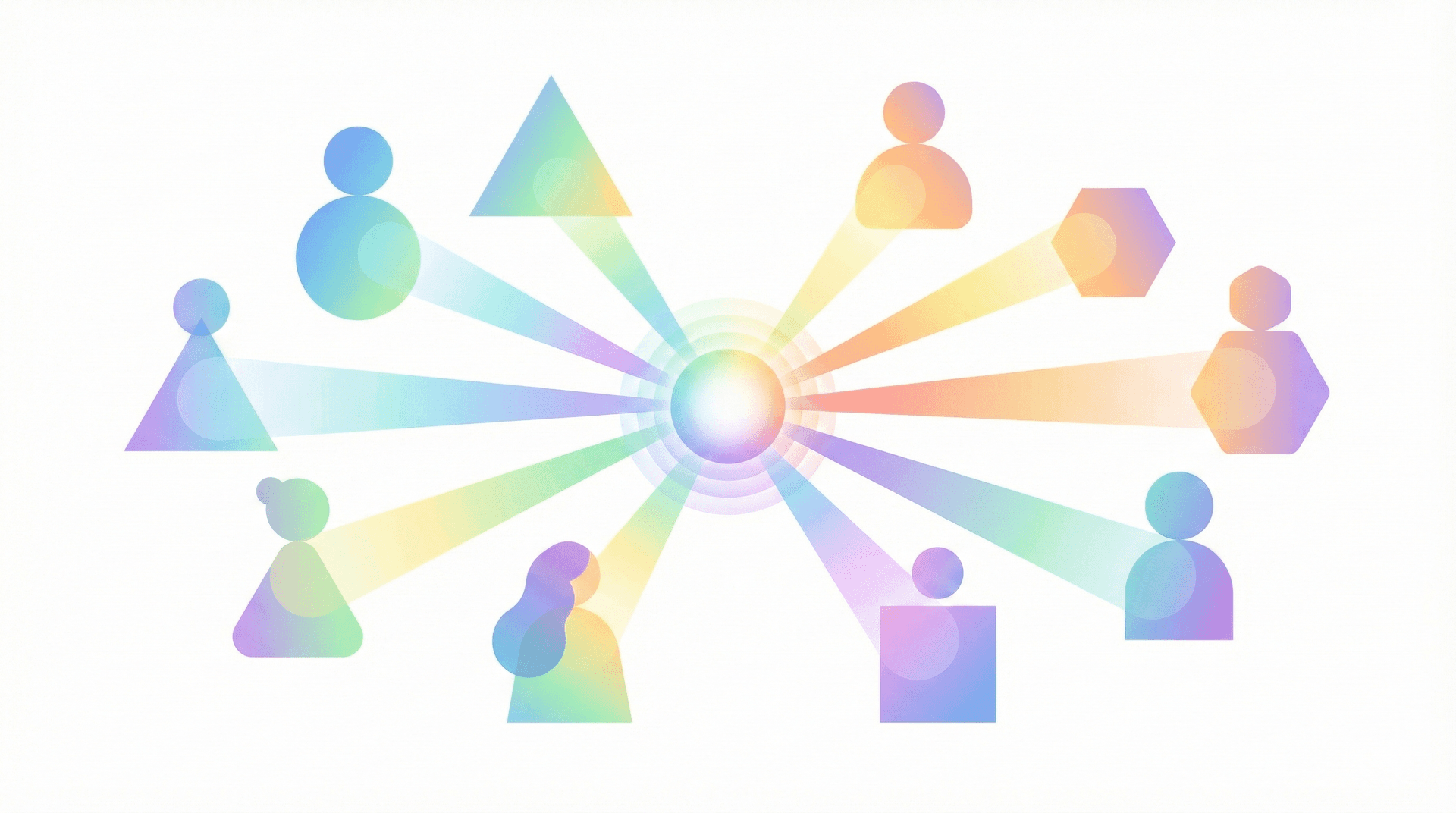
AI-Native Security for Vibecoded Applications
5 specialized agents that think like security researchers, not pattern matchers. SecureVibes uses Claude's multi-agent architecture to autonomously find vulnerabilities in your codebase.
Know the Problem. Know the Fix.
Vibecoders don't need comprehensive coverage reports. They need to know exactly what's wrong, why it matters, and how to fix it.
Development is Faster
AI coding assistants help developers ship features in hours instead of days. Security reviews need to match this velocity.
AI Code Has Blind Spots
LLMs can introduce subtle security vulnerabilities. Input validation, authentication flows, and data handling often need human review.
Traditional Tools Lag
Legacy SAST tools use static rule databases that miss context-specific vulnerabilities and produce noisy false positives.
Show Me How I Get Hacked
Vibecoders want to understand how attackers could exploit their app and get clear options to address the risk—without doing the grunt work themselves.
Not a Security Expert
Vibecoders need a security assistant that thinks like a researcher—ensuring their apps are robust, stable, and secure without requiring deep expertise.
5 Specialized Agents. One Security Team.
Claude autonomously orchestrates specialized agents that build on each other's findings for comprehensive security analysis.


SECURITY.md
THREAT_MODEL.json
VULNERABILITIES.json
DAST_VALIDATION.json
scan_results.json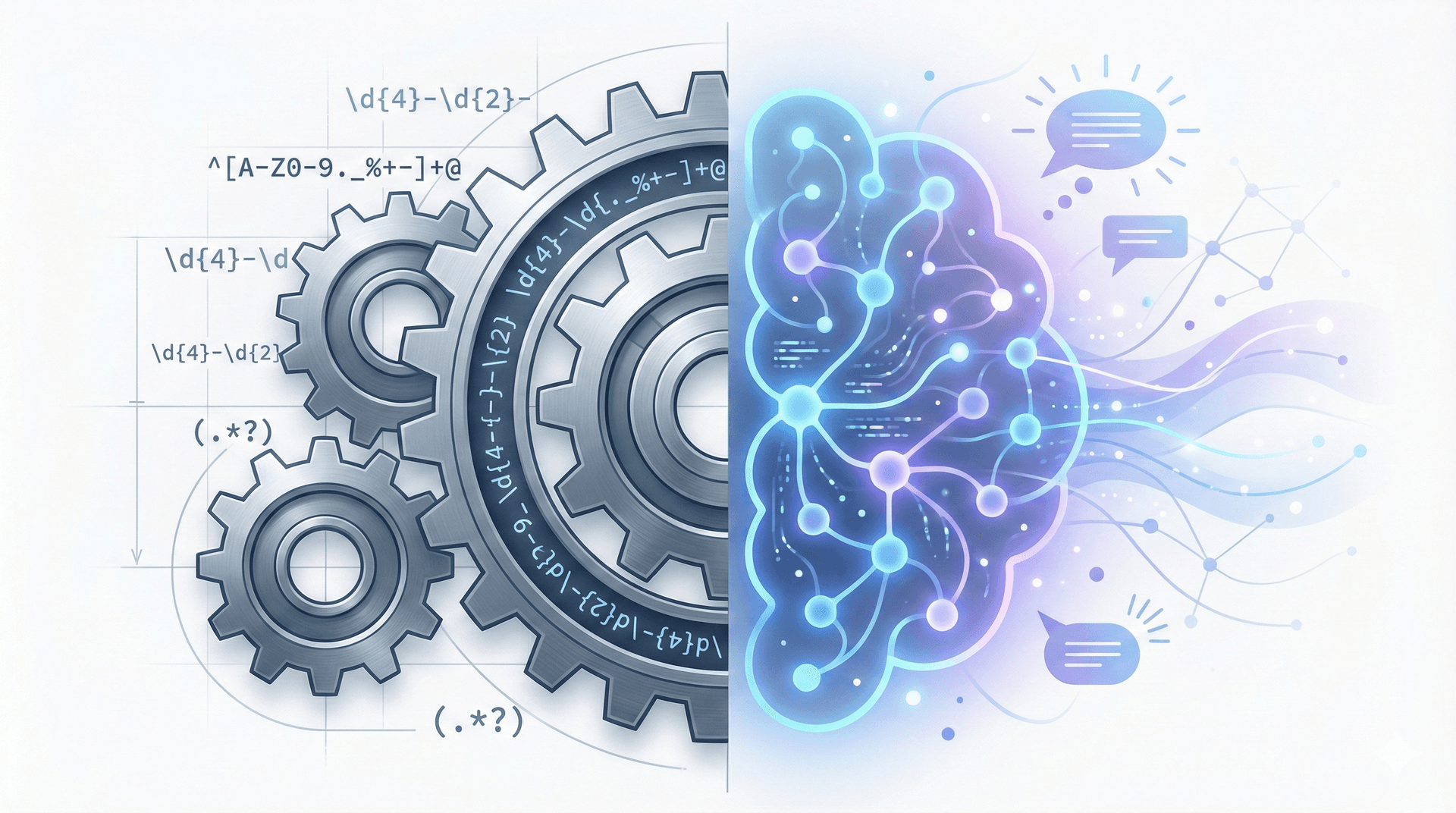
Security Thinking, Not Pattern Matching
Traditional SAST tools rely on regex patterns and rule databases. SecureVibes uses AI agents that actually understand your code and reason about security implications.
“SecureVibes is independent from your dev tools. We don't write code — we validate it. Like an auditor, not an accountant.”
Trust in security comes from separation. When the same AI writes and reviews code, who watches the watcher? SecureVibes is purpose-built for independent validation.
Independence
We don't write your code. We validate it.
Separation of Concerns
Review agents separate from coding agents = trust.
Security-Focused
Purpose-built for security validation, nothing else.
Free. Open Source. Community-Driven.
SecureVibes is released under the AGPL v3 license. We believe security tooling should be accessible to everyone building software.